NIPPON Violin Antique
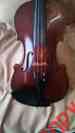
( Brand: Nippon ), ( Manufacturer Part Number: 1914-1921 ), ( Type: Acoustic ), ( Size: 4/4 ), ( Country/region Of Manufacture: Japan )
Review NIPPON Full Size Violin Antique
Introducing a captivating piece of musical history, this 1914-1921 antique violin is a testament to the craftsmanship and artistry of its time. Meticulously handcrafted, this violin boasts a rich and resonant tonal quality that is both powerful and nuanced.
The violin features a beautifully aged and varnished spruce top, which exhibits a warm, golden hue that only time and careful preservation can achieve. The back and sides of the violin are crafted from exquisite flamed maple, showcasing intricate and striking grain patterns that add to its overall allure. The violin's neck is made of fine-grained maple as well, with an ebony fingerboard that has been carefully smoothed and polished for easy playability.
The antique violin's pegbox is adorned with elegant mother-of-pearl inlays, while its pegs and tailpiece are made of high-quality ebony. The violin's strings are adjustable and can be tuned to any key, allowing for maximum versatility in musical expression.
This 1914-1921 antique violin has been expertly restored to preserve its original beauty and functionality, while also ensuring that it is in excellent playing condition. The violin has been thoroughly inspected and set up by a skilled luthier, ensuring that it is in perfect balance and intonation.
Whether you are a seasoned musician looking to add a rare and valuable instrument to your collection, or a budding violinist seeking a high-quality instrument to develop your skills, this 1914-1921 antique violin is an exceptional choice. Its rich tone, beautiful craftsmanship, and historical significance make it a truly unique and treasured addition to any music lover's collection.
Pros of buying a 1914-1921 antique violin:1. Historical Value: Purchasing an antique violin from the early 20th century allows you to own a piece of musical history.
2. Potential for Excellent Sound: Antique violins can produce a rich, full sound due to the aging of the wood and the craftsmanship of the era.
3. Investment Potential: Antique violins, especially those from renowned makers, can appreciate in value over time, making it a potential investment.
4. Unique Aesthetics: Antique violins often have unique, intricate designs and finishes that give them a distinct character and charm.
Cons of buying a 1914-1921 antique violin:1. High Cost: Antique violins, especially those in good condition, can be expensive. The cost may be prohibitive for some musicians.
2. Maintenance and Repair: Antique violins require regular maintenance and may need repairs due to age-related wear and tear. This can be costly and time-consuming.
3. Unknown History: The history and provenance of antique violins can be uncertain, making it difficult to verify their authenticity and origin.
4. Risk of Damage: Handling and transporting an antique violin can be risky due to its fragility and age.
Conclusion:Buying a 1914-1921 antique violin can be a rewarding experience for musicians who value historical significance, excellent sound, and unique aesthetics. However, it is important to consider the high cost, potential need for maintenance and repair, uncertainty of history, and risk of damage.
Recommendation:If you are interested in purchasing an antique violin, it is recommended to work with a trusted dealer or expert appraiser who can help you verify its authenticity and condition. Additionally, consider the potential costs associated with ownership and ensure that you have the means to properly maintain and care for the instrument. Ultimately, the decision to buy an antique violin should be based on your personal musical goals, budget, and appreciation for historical artifacts.
Details:
The only label in the violin say trade mark with the trade mark logo made in Nippon. It has a strong sound that would suit the needs of a student orchestra player or anyone looking for a nice violin. Up for sell is a fully working used antique made in Nippon 4/4 full size violin.
A light coat of spirit varnish was applied also the neck angle was adjusted. Parts replaced fingerboard and nut pegs sound post tail piece with witter tuner tail gut, and tail pen chin rest fitted bridge also has new strings this 94 year old violin is dark reddish brown in color.
All open seams and cracks have been sealed repaired. This violin is also fully blocked this violin was originally manufactured somewhere between 1914 to 1921 in Nippon aka japan. As seen in pictures. With many dings scratches and two repaired cracks.
Which has cut marks in it. First crack can been seen in photos the 2nd crack is under the chin and tail piece. I do believe these are copies of the stead 1715 model.
part #: 19141921 prices
- $19.99-$35.99
specifications otheracousticvioliniz:
- brand: Nippon
- mpn: 1914-1921
- type: Acoustic
- size: 4/4
- country/region of manufacture: Japan
Offer otheracousticvioliniz:
- best offer: true
- # Sold: 0
- Started: November 26, 2015, 7:04 pm
- # bids: 0
- quantity: 1
Shipping otheracousticvioliniz:
- type: Calculated
- handling: 1 days
General otheracousticvioliniz:
- Musical Instruments & Gear > String > Orchestral > Violins
- condition: Seller refurbished
- in stock: Yes
Returns otheracousticvioliniz:
- policy: no returns
Seller otheracousticvioliniz:
- city: Decatur, Alabama
- zipcode: 35603
Payments otheracousticvioliniz:
- PayPal
Ratings:
- A great. Thanks! 11-19-15
- Fast pay thank you! 11-15-15
- Good buyer, prompt payment, valued customer, highly recommended. 11-23-15
- Thank You for your prompt payment, and shopping with Aleia's Things on ! 11-22-15
- Good buyer, prompt payment, valued customer, highly recommended. 11-25-15
Nippon 1914-1921 Is Similar To:
- 0020000000722 Nippon Japanese Size Violin With Case (34.5% similar) Good condition made in japan some minor scratches and light chips one repaired crack adjacent the tailpiece on treble side great sounding violin...(December 5th, 2018)
