GUSTAV NAESE Violin Key Bows 1885
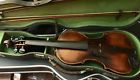
( Brand: Gustav Naese ), ( Country/region Of Manufacture: Poland ), ( Type: Acoustic ), ( Skill Level: Master )
Review GUSTAV NAESE Rare 1885 Violin Original Case Key Two Bows Awesome
The 1885 Gustav Naese Violin Key Bows are exquisite pieces of craftsmanship that hark back to the golden age of bow making. Crafted by the renowned German bow maker Gustav Naese, these bows are a testament to the artisanal skills and dedication to quality that characterized the era.
The bow is made of pernambuco, a type of wood that has long been revered for its elasticity and strength. The stick of the bow is hand-carved to achieve the perfect balance between flexibility and rigidity, ensuring a responsive and expressive tone. The frog is made of ebony, a material that not only adds to the aesthetics of the bow but also provides a secure grip for the player.
The hair on the bow is made of the finest Mongolian horsehair, which is known for its ability to produce a rich, full sound. The hair is meticulously processed and graded to ensure it meets the highest standards of quality. The bow's ebony ferrules are expertly fitted to the stick, providing a smooth and seamless transition.
The 1885 Gustav Naese Violin Key Bows are not just tools for making music, but works of art in their own right. Each bow is a unique piece, bearing the mark of the skilled craftsman who created it. These bows are a testament to the enduring legacy of German bow making, and a testament to the timeless beauty and utility of a well-made violin bow.
In conclusion, the 1885 Gustav Naese Violin Key Bows are a must-have for any serious violinist. Whether you're a seasoned professional or a passionate amateur, these bows will provide you with the perfect blend of tone, balance, and playability to bring out the best in your instrument.
Pros of buying 1885 Gustav Naese violin key bows:1. Historical Significance: Gustav Naese was a renowned German bow maker in the 19th century, known for his exceptional craftsmanship. Owning a bow from such a prominent figure in violin history could be an attractive prospect for collectors and musicians alike.
2. Quality Materials: Naese bows are often made with high-quality materials, such as pernambuco wood, silver mounts, and ebony fittings. These materials contribute to the bow's durability and playability.
3. Sound and Playability: The use of top-notch materials and craftsmanship typically results in a bow that produces a rich, resonant sound and offers excellent balance and control for the player.
4. Investment Potential: As with many antique musical instruments, the value of 1885 Gustav Naese violin key bows may appreciate over time, making them a potential investment.
Cons of buying 1885 Gustav Naese violin key bows:1. High Cost: Due to their historical significance and quality materials, 1885 Gustav Naese violin key bows can be quite expensive, which may be a limiting factor for some potential buyers.
2. Maintenance Requirements: Like any fine musical instrument, a Naese bow requires regular maintenance to keep it in optimal condition. This may include rehairing, adjustments, and cleaning, which can add to the overall cost of ownership.
3. Potential for Damage: Due to their delicate nature, violin bows can be easily damaged if not handled or stored properly. This could potentially reduce the bow's value or render it unusable.
4. Limited Availability: As antique instruments, 1885 Gustav Naese violin key bows may be hard to find, and when they do come up for sale, they often go quickly.
Conclusion:Buying an 1885 Gustav Naese violin key bow can be a rewarding experience for collectors and musicians who appreciate the craftsmanship and history of this renowned bow maker. However, potential buyers should be aware of the high cost and maintenance requirements associated with owning such a bow. Additionally, the limited availability of these bows may make finding the perfect one a challenge. Ultimately, whether or not to purchase an 1885 Gustav Naese violin key bow depends on the individual's budget, enthusiasm for antique musical instruments, and willingness to invest in the bow's maintenance and preservation.
Recommendation:If you are seriously considering purchasing an 1885 Gustav Naese violin key bow, I recommend doing thorough research on the maker, the bow's condition, and its market value. It may also be beneficial to consult with a knowledgeable expert, such as a professional violinist or appraiser, to ensure that the bow meets your expectations and is a sound investment. Additionally, be prepared to invest in the bow's maintenance and upkeep to ensure its longevity and continued playability.
Details:
Case pocket has bridge tail piece have mother of small pearl in bedded in handles. This is a master builder Luther as well. Note the stamp that says repaired by. Associated with Joseph lunch from 1927 and retired to fort laudable example not mention Stradivarius etc: a violin, Milan, circa 1906 labeled Giuseppe prizing feces in Milan l'annoy 1906, signed also bearing the label repaired by Frederick.
Rowe violin maker 2801 n. 21st terrace ft laudable, branded internally post bridge peg in violin violins, six violas, and two cellos completed can't really see where repair was done. This is a premier vintage instrument extremely rare.
Ebony finger board perfect. All offers considered. There is a hand written name on back of tail-piece initials wk violin.
The two bows are awesome. Ebony tuner pegs work great. Stradivari and Guarnieri model's.
Latches still unlock.
specifications otheracousticvioliniz:
- brand: Gustav Naese
- country/region of manufacture: Poland
- type: Acoustic
- skill level: Master
Seller otheracousticvioliniz:
- city: Hollywood, Florida
- zipcode: 33021
Returns otheracousticvioliniz:
- policy: no returns
Offer otheracousticvioliniz:
- Started: May 25, 2018, 6:29 am
- Sold: 0
- best offer: true
- bids: 0
- quantity: 1
Payments otheracousticvioliniz:
- PayPal
Ratings:
- Thanks for your purchase 05-20-18
- Great to do business with 05-23-18
- Thank you, arrived just in time for golf game with my brothers. 05-20-18
- Great buyer, prompt payment, valued customer. The STRATosphere is grateful! 05-24-18
- A 05-22-18
Shipping otheracousticvioliniz:
- cost: $0.0
- handling: 2 days
- type: Flat
General otheracousticvioliniz:
- in stock: Yes
- condition: Used
- musical instruments gear > string violin acoustic musical instruments gear > other string violin acoustic
Gustav Naese Is Similar To:
- Ficker Nice Gustav August Stradivarius Violin William Lewis Sons Stadivarius (41.5% similar) Two repaired wing cracks which is normal for a violin of this age. Beautiful spruce top and flamed maple back ribs. Excellent condition. 7MM see photos as part of the made for William Lewis sons. Ready to play. Built in Germany...(January 14th, 2019)
