ALFRED Suzuki Violin School 654979196310
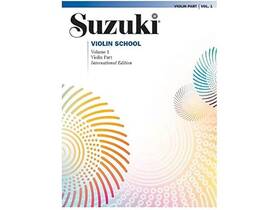
( Brand: Alfred ), ( Type: Violins ), ( UPC: 654979196310 )
Review ALFRED Suzuki Violin School Part
The Alfred Suzuki Violin School, Volume 1, by Alfred Publishing is an essential resource for violin students and teachers looking to develop solid fundamentals and a strong musical foundation. This comprehensive method book is designed for beginners aged 3 to 6 or with no prior violin experience.
The book includes 10 carefully graded pieces, each with its own accompanying CD that features recordings of the pieces performed on violin, as well as recordings of the melody, violin part, and piano accompaniment to help students practice effectively. The pieces range from simple melodies to more complex compositions, allowing students to gradually build up their skills.
Each piece comes with a clear and detailed notation, as well as Suzuki's original Kod ly-inspired fingering and bowing techniques, which help students develop proper technique from the very beginning. The book also includes instruction on essential violin skills such as shifting, vibrato, and spiccato.
The Alfred Suzuki Violin School method emphasizes the importance of listening and memorization, with suggested listening exercises and memorization charts provided to help students internalize the music. The book also includes a variety of activities, games, and exercises designed to make learning the violin an enjoyable and engaging experience.
The spiral-bound design of the book allows it to lie flat when open, making it easier for students and teachers to use during lessons and practice sessions. The book is also compatible with the Alfred's Smart Music app, which allows students to practice with interactive and customizable features.
The Alfred Suzuki Violin School, Volume 1, is an indispensable resource for anyone starting their violin journey. With its clear instructions, comprehensive exercises, and engaging activities, this method book sets students up for a strong foundation in violin playing and musical development.
A Comprehensive Analysis of Suzuki Violin School, Alfred Edition (Alfred Publication #654979196310)
Introduction:The Suzuki Violin School, published by Alfred Music Publishing, is a popular and influential series of instructional materials for violin students. This analysis aims to provide a balanced perspective on the advantages and disadvantages of using the Suzuki Violin School, Alfred Edition (Alfred Publication #654979196310), as a teaching resource for violin students and their teachers.
Advantages:1. Comprehensive and Structured: The series covers a wide range of repertoire, from the most basic pieces for beginners to advanced concertos. It provides a solid foundation in violin technique and music reading skills.
2. Methodical Approach: The Suzuki method emphasizes listening, memorization, and repetition, which can lead to a strong musical foundation and improved intonation and tone quality.
3. Parental Involvement: The Suzuki method encourages parents to participate in their child's learning process, which can lead to a more supportive and engaged home environment.
4. Group Learning: The Suzuki method emphasizes group learning, which can help students develop social skills and a sense of community with their peers.
5. Continuity: The series offers a seamless progression from beginner to advanced levels, allowing students to continue using the same materials as they advance in their studies.
Disadvantages:1. Limited Repertoire: While the Suzuki method offers a wide range of repertoire, it may not include a diverse enough selection of musical styles and genres to cater to every student's preferences and interests.
2. Overreliance on Memorization: While memorization is an essential skill for musicians, an overreliance on memorization in the Suzuki method may not prepare students adequately for the demands of sight-reading and performing unfamiliar music.
3. Lack of Context: The Suzuki method focuses primarily on technique and repertoire, with less emphasis on music theory and historical context, which may limit students' understanding of the music they are playing.
4. Potential for Over-Rote Learning: The method's emphasis on repetition and memorization can lead to over-rote learning if not balanced with other teaching methods.
5. Limited Flexibility: The Suzuki method's structured approach may not accommodate the unique learning styles and needs of every student, potentially leading to frustration or disengagement.
Conclusion:The Suzuki Violin School, Alfred Edition, offers numerous advantages, including a comprehensive and structured approach, methodical teaching methods, parental involvement, group learning, and continuity. However, it also has some disadvantages, such as limited repertoire, overreliance on memorization, lack of context, potential for over-rote learning, and limited flexibility.
Recommendation:The Suzuki Violin School, Alfred Edition, can be an excellent resource for violin students and their teachers, particularly for those who benefit from a methodical and structured approach to learning. However, it is essential to supplement this series with other teaching materials and methods to ensure a well-rounded musical education. Additionally, teachers should be flexible in their approach and adapt the Suzuki method to meet the unique needs and learning styles of their students.
Details:
Bally Allegro Shining Suzuki Perpetual Motion Suzuki Allegretto Suzuki Indenting Suzuki Etude Suzuki Minuet 1, Minuet III from Suite in Minor for Clavier, BWV 822 J.S. Alfred Suzuki Violin School Part Volume 1;The Method Core Materials: condition: New: Features: Contents are:Principles of Study and Guidance Twinkle, Twinkle, Little Star Variations Shining Suzuki Lightly Row Folk Song the Wind Song Go Tell Aunt Rhoda Song O Come, Children Song May Song Long, Long Ago T.H. II 116 from Notebook for Anna Magdalena Bach J.S. Bach The Happy Farmer from Album for the Young, Op.
Schumann Gavotte .J. Bach Minuet 2, Minuet, BWV Ankh.
specifications otheracousticvioliniz:
- brand: Alfred
- type: Violins
- upc: 654979196310
shipping otheracousticvioliniz:
- service: Standard
- type: Fixed
- cost: $0.00
- class: Standard
- transit: 5-10 Days
offer otheracousticvioliniz:
- best offers: True
- availability: In Stock
- quantity: 3
- started: February 15, 2025
- options: Ship-to-home
- sold: 0
general otheracousticvioliniz:
- condition: New
- String > Orchestral > Violins
returns otheracousticvioliniz:
- time: 30 Days
- method: Money back
- policy: Returns Accepted
- paid by: Buyer
payments otheracousticvioliniz:
- credit card: Discover
- wallet: Google-pay
- other
seller otheracousticvioliniz:
- city: USA
- rating: 100.0%
- # reviews: 129
Alfred 654979196310 Is Similar To:
- 163h Hans Joseph Hauer Size Violin With Bow Alfred Freistat Hard (33% similar) Please do your research and make sure this item fits needs. Up for sale is a pre-owned Hans Joseph hauler 4 size violin with bow Alfred rheostat hard shell case it in very nice condition actual photos we care your repeated business. We simply want your repeated business...(November 1st, 2018)
- As-060-v Hofner Alfred Stingl Violin (39.5% similar) For items valued at over a certain amount, fed ex automatically requires signature. Flat rate shipping covers either USPS priority mail, parcel post, media mail or fed ex ground within the USA, as well handling costs. Comes in case with bow. Shipping multiple items all costs are for the individual ...(February 14th, 2018)
- Gf-200ac Hofner Alfred Stingl By Violin Bow Silver Winding 086792299839 (34.5% similar) ...(June 25th, 2018)
- H Fner As-260-v Alfred Stingl By Hofner 4 4 Violin W Antique German Bow Fresh Rehair (29.5% similar) The bow had a fresh rehear just before the listing was made. Beautiful violin, tested and ready to play...(February 11th, 2024)
- Alfred Music 00-0225 Suzuki Violin School Vol 9 Part (70.1% similar) Features: suzuki violin school - volume students are taught using the mother-tongue approach. The suzuki method r of talent education is based on shining Suzuki's view that every child born with ability, and people are the product their environment. 219 allegro apart, adagio, rondo: tempo DI minuet...(February 1st, 2026)
- Alfred Music 00-0226 Suzuki Violin School Volume 10 Vol Part (64.8% similar) Features: used book in good condition. According to shining suzuki, a world-renowned violinist and teacher, the greatest joy an adult can know comes from developing child's potential so he/she express all that is harmonious best in human beings. This suzuki book is integral for teaching suzuki ...(February 1st, 2026)
- Alfred Vnsuzuvioli1rbc Suzuki Violin School International Edition Part Book And Cd Volume 1 (50% similar) Teach violin with the popular suzuki violin school. Each series of books for a particular instrument in the suzuki method is considered music school, such as violin school. Published by Alfred publishing. Schumann - gavotte .j. Bach - the happy farmer from album for the young, op. Features: suzuki ...(February 1st, 2026)
