OLE BULL 1810-1880 Antique Violin Circa Playing 4/4
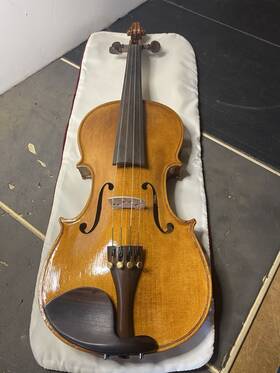
( Brand: Ole Bull ), ( Manufacturer Part Number: 1810-1880 ), ( Model: OLE BULL CIRCA 1810-1880 ), ( Part Type: Violin ), ( Body Material: Maple ), ( Size: 4/4 ), ( Color: Light Brown ), ( Country/region Of Manufacture: Germany ), ( Finish: Oil Varnish Light Brown )
Review OLE BULL Antique 4/4 Violin Circa Ready Playing
Ole Bull 1810-1880 Antique 4/4 Violin - A Traditional Instrument with Rich History and Superior Craftsmanship
Introducing the Ole Bull 1810-1880 Antique 4/4 Violin, a captivating instrument steeped in history and exceptional craftsmanship. This violin is a miniature replica of the renowned instrument once belonged to the famous Norwegian violinist, Ole Bull (1810-1880). With its classic design, rich tonal quality, and intricate detailing, this violin stands out as an excellent choice for both enthusiasts and professional musicians seeking an authentic playing experience.
Historical Background:Ole Bull was a celebrated Norwegian violinist, composer, and stage performer during the Romantic era. He is renowned for his sensational performances and profound contributions to the world of classical music. One of his most cherished possessions was his personal 4/4-sized violin, which has now been meticulously replicated for modern musicians.
Authentic Design and Construction:This antique violin features an exquisite, hand-carved maple back, neck, and ribs, as well as a beautifully grained spruce table. The perfec-tly aged wood implies a history that only the best instruments possess. The scroll, pegs, and fingerboard are elegantly crafted from ebony. Its authentic ebony hard tailpiece is equipped with four fine tuners for precise string adjustments.
Superior Sound Quality:The Ole Bull Antique 4/4 Violin boasts an impressive tonal projection and resonant sound, which makes it perfect for various musical genres and styles. The high-quality strings it comes with provide a rich, warm tone and excellent playability.
Dimensions and Accessories:This antique violin is a full-sized 4/4 instrument, making it suitable for intermediate to advanced players around 12-13 years old or those with shorter stature. The package includes a violin bow, a protective hard case, a rosin cake, bridge, and a set of tuning pegs.
Maintenance and Care:Just like any other fine instrument, proper care and maintenance are essential to preserve its beauty and sound quality. Regularly tune and clean the violin, store it in its protective case when not in use, and avoid exposing it to extreme temperatures, humidity, or sunlight.
Conclusion:The Ole Bull 1810-1880 Antique 4/4 Violin is more than just an instrument it is an immersive experience, taking you back to the golden age of classical music. With its rich history, authentic design, superior craftsmanship, and captivating sound, this violin is an investment for a lifetime and an irreplaceable addition to any musician's collection.
Buying an antique 4/4 violin, such as an Ole Bull model from around 1810-1880, can be an exciting experience for a dedicated violinist. These instruments are often prized for their unique character, craftsmanship, and historical significance. However, they come with certain advantages and disadvantages compared to modern violins.
Advantages:1. Unique Tone: Each antique violin possesses a distinct sound due to the aging process of the wood and varnish. The tone can be richer, warmer, and more complex than a modern violin, which can add depth and expression to a musician's playing.
2. Historical Significance: An antique violin is a piece of history. There's a story attached to each one; perhaps it was played by a famous musician during a significant period or it was handcrafted by a master luthier.
3. Value: Antique violins can appreciate in value over time. While some may require extensive restoration, others may already be in playable condition and offer a strong investment potential.
Disadvantages:1. Maintenance: Antique violins typically require more frequent maintenance than modern instruments due to their delicate condition. This can involve costly repairs or restoration work.
2. Playability: Depending on the violin's age and condition, it may not be as playable as a modern instrument. The strings may require higher tension, the neck may warp, or the bridge may settle unevenly. These issues can significantly affect playability and may require professional attention.
3. Risk: Buying an antique violin without proper inspection can result in costly repairs or an instrument that's not up to par. It's essential to spend time researching the seller, the instrument, and seeking advice from experienced luthiers.
Conclusion:Considering the unique characteristics, historical significance, and potential investment opportunities, an antique 4/4 violin like an Ole Bull model from 1810-1880 can be an intriguing acquisition. However, it's essential to be aware of the challenges that come with owning an antique instrument, such as increased maintenance requirements and potential playability issues. To make an informed decision, carefully research the specific violin's history, condition, and provenance. It's also advisable to get the instrument inspected by a reputable luthier before making a purchase.
Recommendation: If you are interested in purchasing an antique 4/4 violin, I would recommend taking the following steps:1. Research and educate yourself about antique violins and what to look for.
2. Find a reputable dealer or attend an auction with a focus on antique instruments.
3. Arrange to have the instrument inspected by a trusted luthier.
4. Evaluate the potential investment value and consider ways to mitigate the risks involved.
5. Play test the instrument before making a purchase to ensure its playability.
Deciding between an antique and a modern violin ultimately comes down to personal preference and your specific needs as a musician. By being well-informed and diligent, you can increase your chances of finding an antique instrument that not only delights your ears but also serves as a worthy investment.
Details:
New finger board. Ole Bull 4/4 Violin Circa 1810-1880 Ready For Playing. Will come with the old hard case I received it in. Rosewood fittings.
This violin has had some restoration. Could use some adjustment on the bridge for string action but is playable as.
part #: 18101880 prices
- $6.00-$109.99
specifications otheracousticvioliniz:
- brand: Ole Bull
- mpn: 1810-1880
- model: Ole Bull Circa 1810-1880
- part type: Violin
- body material: Maple
- size: 4/4
- color: Light Brown
- country/region of manufacture: Germany
- finish: Oil Varnish Light Brown
seller otheracousticvioliniz:
- city: Long Valley, New Jersey
- rating: 100.0%
- # reviews: 261
payments otheracousticvioliniz:
- other
- wallet: Apple-pay
- credit card: Visa
general otheracousticvioliniz:
- condition: Used
- String > Orchestral > Violins
offer otheracousticvioliniz:
- options: Ship-to-home
- availability: In Stock
- quantity: 1
- best offers: True
- started: January 3, 2025
- sold: 0
returns otheracousticvioliniz:
- policy: No Returns
shipping otheracousticvioliniz:
- cost: $72.55
- type: Calculated
- service: USPS Priority Mail
- class: Expedited
- transit: 5-12 Days
- carrier: USPS
Ole Bull 1810-1880 Is Similar To:
- 2100000104277 Ole Bull Used Violin With Case And Bow (40.7% similar) Older, used Ole Bull violin. Bow is slightly frayed. Will need some minor work and strings. The item is not fully functioning. No known structural issues that would prevent the item from working, a few minor parts may be needed though...(September 28th, 2018)
- 872557004 Ole Bull Antique Vintage Violin In Case (47.3% similar) Physical condition this violin is in overall good condition for its age 01. It shows some wear and tear from aging. Some parts have been replaced with newer parts. Functional condition this violin is in good functional condition. Please see the pictures...(May 6th, 2016)
- T-19 Yitamusic Guarneri Del Gesu Ole Bull With Case Bow Tuner (29.5% similar) Original hard case. New liq digital tuner metronome. Beautiful tone big, rich, responsive. New gold colored fine tuners on every string. Ready for an advancing student to enjoy. Barely used box of rosin. Vintage ope bow. New prim strings. Copy of the last violin Guarnieri del Gus made in used Jun ...(November 12th, 2018)
