JACOB STAINER 1735 Antique Absam Prope Oenipontum Violin Bow In 4/4
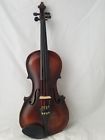
( Brand: Jacob Stainer ), ( Model: 1735 ), ( Part Type: Violin Bow ), ( Size: 4/4 )
Review JACOB STAINER Antique Absam Prope Oenipontum 4-4 Violin Bow
The antique Jacob Stainer Absam Prope Oenipontum 4-4 violin bow is an exquisite piece of musical history, crafted by the renowned Austrian luthier Jacob Stainer in 1735. This bow is a testament to Stainer's exceptional skill and the high standards of violin making in the 18th century.
The bow's stick is made from the finest pernambuco wood, which has been expertly shaped to provide a balance of strength and flexibility. The stick measures 71.5 cm in length, with a round, thick, and strong frog that is delightfully ornate. The frog is adorned with intricate mother-of-pearl inlay and features an elegant silver mount.
The bow's hair is made from the finest Mongolian horsehair, which has been carefully processed to ensure it maintains its optimal tension and responsiveness. The bow's balance point is approximately 26.5 cm from the frog, providing a wonderful balance and control for the player.
The bow's octagonal grip is made from ebony, which has been polished to a glossy sheen. The grip is ergonomically designed to fit comfortably in the hand, allowing the player to maintain a firm yet gentle grip throughout their performance.
The bow's antique finish is a beautiful patina of deep brown and golden hues, which adds character and charm to the bow. The Absam Prope Oenipontum 4-4 violin bow is a true masterpiece of violin making, and a valuable addition to any serious collector's or musician's collection.
Pros of buying a 1735 Jacob Stainer Absam Prope Oenipontum 4-4 violin bow:1. Historical Significance: The bow was made by Jacob Stainer, one of the most renowned violin makers in history, in 1735. Owning such a piece of musical history can be a significant investment and a source of pride.
2. Craftsmanship: Stainer was known for his exceptional craftsmanship, and this bow is likely to have been made with the same care and attention to detail that characterized his work. The bow's design and materials are likely to be of the highest quality, making it a valuable instrument for any serious musician.
3. Rarity: Due to its age and the skill of its maker, this bow is likely to be a rare find. Owning a rare and valuable instrument can be a prestigious status symbol, and it may also increase in value over time.
4. Playability: The 1735 Jacob Stainer Absam Prope Oenipontum 4-4 violin bow is likely to have a unique sound and feel, making it a pleasure to play for any musician. The bow's age and materials may also give it a distinctive tone that is not found in modern bows.
Cons of buying a 1735 Jacob Stainer Absam Prope Oenipontum 4-4 violin bow:1. Cost: The bow is likely to be a significant investment, and it may be difficult to justify the cost for some musicians. The bow's rarity and historical significance may drive up its price, making it out of reach for many.
2. Maintenance: Older bows require more maintenance than modern ones. The bow's age and materials may make it more susceptible to damage, and it may need to be regularly serviced to keep it in good condition.
3. Risk of Damage: Due to its age and fragility, the bow is at risk of being damaged during transportation or use. This can be a concern for musicians who travel frequently or who use their bow in a variety of settings.
Conclusion:The 1735 Jacob Stainer Absam Prope Oenipontum 4-4 violin bow is a rare and valuable instrument that offers a unique playing experience for musicians. Its historical significance and craftsmanship make it a prestigious investment, but its cost and maintenance requirements can be a significant drawback for some. Ultimately, whether or not to buy the bow depends on the individual musician's budget, needs, and preferences. If the musician is willing to invest in a rare and historic instrument that offers a distinctive playing experience, then the 1735 Jacob Stainer Absam Prope Oenipontum 4-4 violin bow may be a worthwhile investment.
Recommendation:Before making a decision, it is important for the musician to carefully consider their budget, needs, and preferences. They should also conduct thorough research to ensure that they are purchasing a genuine and well-maintained instrument. It may be helpful to consult with a knowledgeable violin expert or appraiser to get a better understanding of the bow's value and condition. Ultimately, if the musician is passionate about music and willing to invest in a rare and valuable instrument, then the 1735 Jacob Stainer Absam Prope Oenipontum 4-4 violin bow may be a worthwhile addition to their collection.
Details:
Included is the hard case and bow there are some extra strings also not shown just for trivia sake. This beautiful violin is in good condition. I took a picture of one side where it shows wear the most.
They used f as its substitute.
specifications otheracousticvioliniz:
- brand: Jacob Stainer
- model: 1735
- part type: Violin Bow
- size: 4/4
General otheracousticvioliniz:
- in stock: Yes
- Orchestral > Violins
- condition: Used
Payments otheracousticvioliniz:
- PayPal
Returns otheracousticvioliniz:
- paid by: Buyer
- time: 30 Days
- type: Money Back
- policy: returns accepted
Shipping otheracousticvioliniz:
- type: Calculated
- handling: 3 days
Seller otheracousticvioliniz:
- rating 11-23-18: 0.0%
- # feedbacks 11-23-18: 0
- city: Myrtle Beach, South Carolina
- zipcode: 29588
Offer otheracousticvioliniz:
- Started: November 22, 2018, 1:08 pm
- quantity: 1
- Sold: 0
- best offer: true
- bids: 0
Jacob Stainer 1735 Is Similar To:
- Hv34 Jacob Horst Student Violin Tlv1 Hv34 With Hard Case (39% similar) High age student. The strings on the violin are installed on it and there is sound that seems good I am not a fiddler. There is some minor scratches on the case that should be easy to remove. The glassier bow needs new horse string hair and maybe best to just replace it. All pictures or scans are of...(December 22nd, 2015)
- Tvla1 Jacob Horst Tvlai Deluxe Violin Outfit (39.6% similar) Please see photos for more details and condition. If for any reason you cannot leave us a 5 star rating, contact with issues before opening case. Only pictured items are included in the offer. The violin has light scratches, and other wear from normal use. If you do not see something in the photos ...(January 24th, 2019)
- Vnp-030 Jacob Stainer Model Violin (49.5% similar) E open string length these high-quality plans are new old stock from a closed Luther supply company. Plans are full scale, black on white. Watermark shown in illustration is for preview purposes only. 06 body length , 12. Specifications: number of pages: 1 drawn by. Jacob Stainer model violin ...(September 29th, 2017)
- Jacob Horst Hv44g Heritage 4 4 Violin (35.8% similar) This Jacob Host heritage HV44G 4/4 violin is a perfect choice for those seeking to take their violin fondness serious level. It is an excellent choice for anyone looking a reliable and beautiful violin that resonates beyond the amateur level. Crafted with precision and care, this instrument is sure ...(August 16th, 2024)
- Jacob Horst Hv44dlx 4 4 Violin Outfit With Case Bow Rosin Strings (31.8% similar) Jacob Host HV44DLX 4/4 violin outfit w/ case, bow, rosin, strings...(April 7th, 2026)
